
What Is IPTV in Hotels and How Do Hotel IPTV Systems Work?
Many hotel technology searches start with one question:
Mar 17, 2026
Many hotel technology searches start with one question:
What is IPTV in hotels?
IPTV, or Internet Protocol Television, refers to a method of delivering television channels and video content through a data network rather than through traditional broadcast or cable infrastructure.
For many years, IPTV systems became the standard architecture for hotel in-room television.
Hotels installed IPTV infrastructure to distribute channels, enable digital interfaces, and support streaming or casting features across guest rooms. These systems allowed properties to modernize the television experience while managing content delivery from a centralized location inside the building.
Today, many hotels still operate hotel IPTV systems installed during earlier technology upgrades.
Understanding how these systems work helps explain why the category is evolving.
How Hotel IPTV Systems Work
A traditional hotel IPTV system delivers television content through the property’s internal network.
Instead of relying on satellite or cable distribution directly to each television, IPTV systems transmit video streams through the hotel's data infrastructure.
The typical IPTV architecture includes several components.
A headend server receives channel feeds and converts them into IP-based streams. Those streams are distributed across the hotel network and delivered to guest room televisions or set-top boxes.
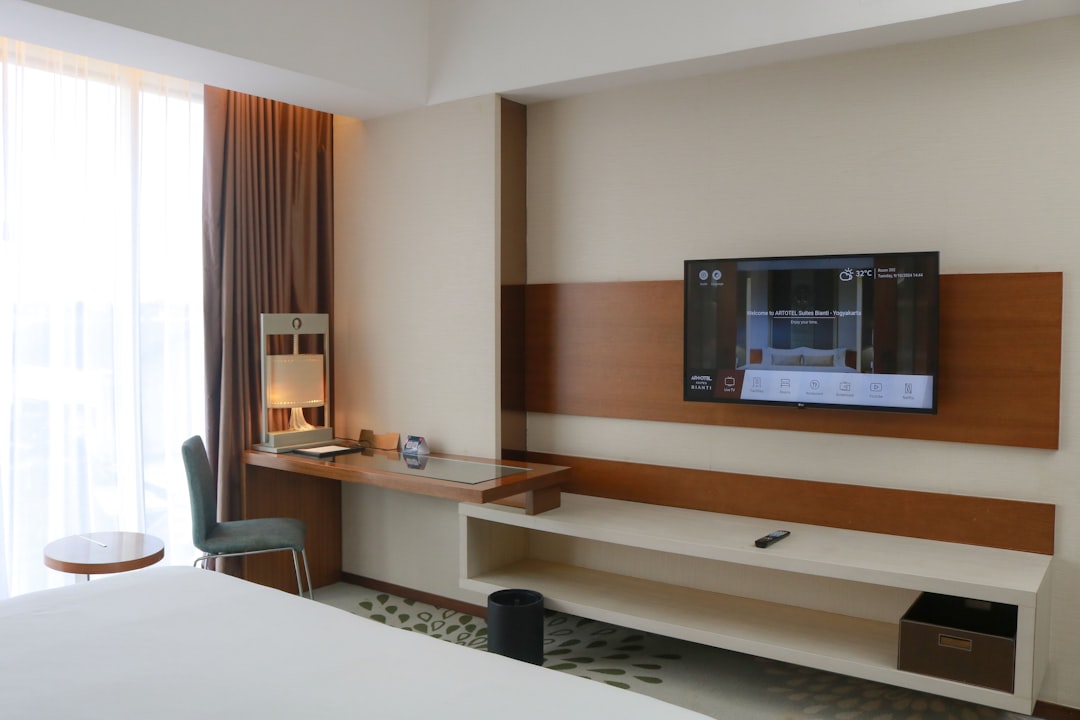
When a guest turns on the television, the system displays an interactive interface that allows access to channels, streaming apps, casting features, and sometimes hotel services.
IPTV systems made several improvements possible compared with older analog television deployments.
Hotels could offer:
-
digital channel guides
-
interactive welcome screens
-
casting or streaming capabilities
-
custom branding interfaces
-
integration with hotel information and services
For many years, IPTV represented a major step forward in hotel television technology.
But the architecture behind these systems introduced new operational challenges as hotel portfolios expanded.
The Operational Limitations of Traditional IPTV Systems
While IPTV for hotels enabled digital television experiences, many deployments remained tied to hardware-based infrastructure inside the property.
Servers, distribution equipment, and configuration systems often operate locally rather than through centralized cloud management.
This structure can limit visibility and flexibility.
Because monitoring occurs at the property level, corporate technology teams may have limited insight into how systems are performing across rooms or across multiple hotels.
Troubleshooting often begins after a guest reports a problem, leading to reactive support cycles that involve front desk teams and IT staff.
Over time, firmware updates, device replacements, and configuration differences between properties can create operational complexity.
These challenges are not unique to one vendor or one system.
They are common across many hardware-driven hotel IPTV deployments.
Why Hotel TV Architecture Is Evolving
As hotel technology has matured, operators have begun to evaluate television systems differently.
The television platform now affects multiple parts of hotel operations.
It influences guest satisfaction, support ticket volume, brand consistency across properties, and increasingly the ability to generate revenue through hotel CTV advertising environments.
Because the system interacts with both guests and operations, hotel groups often look for capabilities similar to those found in other modern hospitality technology platforms.
These capabilities include centralized monitoring, portfolio-level configuration control, and the ability to deploy updates through software rather than hardware replacement.
That shift has contributed to the emergence of cloud-based hotel TV platforms.
From IPTV Systems to Cloud-Based Hotel TV Platforms
Modern hotel TV platforms extend beyond traditional IPTV architecture.
Instead of relying primarily on property-level servers and hardware infrastructure, cloud-based systems connect televisions to centralized software platforms that manage system performance across multiple properties.
This allows hotel operators to monitor system health, configure interfaces, and deploy updates from a unified management environment.
The shift from hardware-driven IPTV systems to cloud-managed platforms changes the operational model.
Rather than troubleshooting individual rooms after problems occur, operators gain earlier visibility into performance across the system.
Instead of managing each property independently, corporate teams can maintain consistent standards across entire portfolios.
This architectural evolution mirrors changes seen across many other hospitality technologies.
Property management systems, revenue management platforms, and digital guest engagement tools have all moved toward cloud-managed infrastructure.
Hotel television systems are now following a similar path.
What Hotels Should Consider When Evaluating IPTV Systems
Hotels evaluating a new hotel TV system often begin by asking whether the platform supports streaming apps, casting features, and guest-facing interfaces.
Those capabilities are important, but they are only part of the decision.
Architecture ultimately determines how the system behaves over time.
Operators increasingly evaluate television technology based on several questions.
Can the system be monitored centrally across properties?
Does the platform provide visibility into room-level performance?
Can updates be deployed through software rather than equipment replacement?
Will the system scale cleanly as the hotel portfolio grows?
These considerations determine whether the technology operates as a static installation or as a managed platform.
The Future of Hotel Television Technology
IPTV played a critical role in modernizing hotel television systems.
It introduced digital distribution, interactive interfaces, and streaming capabilities that improved the guest experience.
But the industry is continuing to evolve.
Hotel television platforms are increasingly becoming connected operational systems rather than isolated in-room hardware environments.
This shift enables greater visibility, more consistent guest experiences across properties, and new opportunities for media and guest engagement.
For hotel operators evaluating the next generation of television technology, the conversation is no longer just about IPTV.
It is about architecture.
And architecture determines whether the system will remain static or continue improving over time.

recent Articles
Read more relevant posts that you might like



Turn hospitality and golf screens into profit centers
Edison Interactive powers the next generation of hotel TV systems and immersive golf cart GPS platforms
delivering premium guest experiences, operational intelligence, and scalable revenue.