
What Makes Hotel CTV Advertising Different From Traditional Connected TV
Connected television has become one of the fastest-growing advertising channels in digital media. Brands invest heavily in connected TV advertising to reach audiences through streaming environments.
Mar 17, 2026
Connected television has become one of the fastest-growing advertising channels in digital media. Brands invest heavily in connected TV advertising to reach audiences through streaming environments.
But not all CTV environments operate the same way.
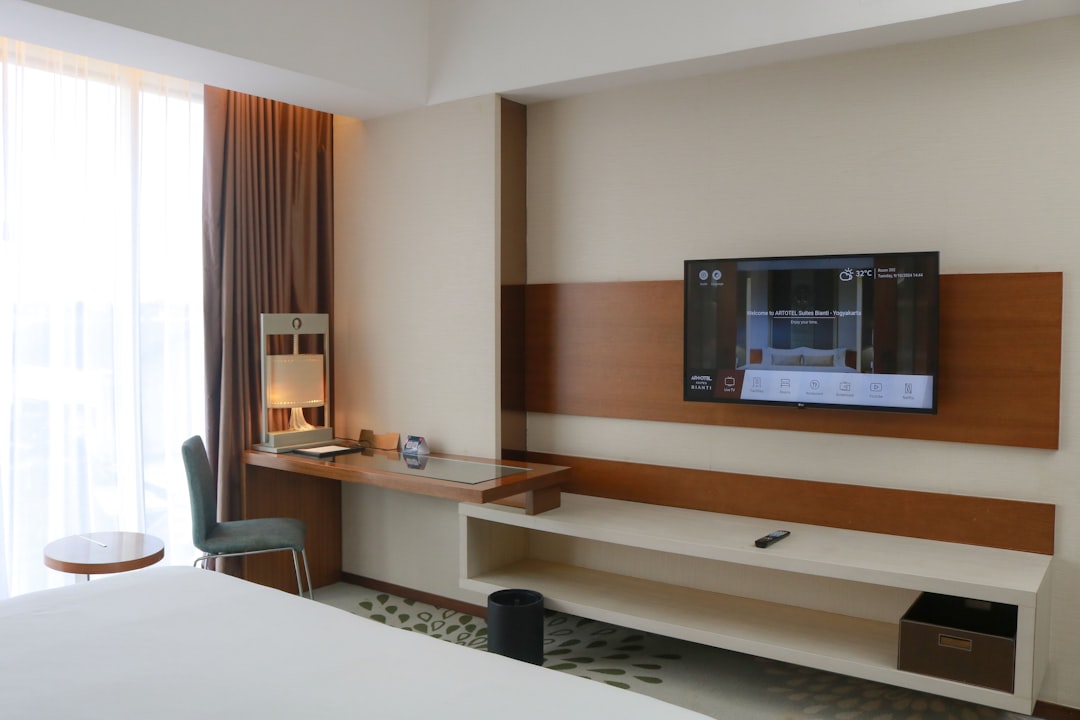
Hotel CTV advertising introduces a fundamentally different viewing environment because it operates inside the hotel room itself.
Unlike traditional streaming platforms where viewers move between apps and devices, hotel guests remain in the same room environment throughout their stay. This creates longer viewing sessions and repeated exposure opportunities.
For brands and agencies, in-room television advertising creates a high-attention environment rarely found in traditional digital media.
The High-Dwell Hotel Viewing Environment
One of the defining characteristics of hotel TV advertising is dwell time.
Hotel guests typically remain in the same room for multiple nights. During their stay, they return to the television repeatedly for entertainment, news, and streaming content.
This repeated engagement creates a viewing environment where hotel CTV campaigns can benefit from natural exposure frequency.
Instead of relying on short viewing windows, hotel television delivers sustained audience attention.
Why Attention Duration Matters
Advertising effectiveness often correlates with attention duration.
When audiences spend more time in the same viewing environment, brands benefit from stronger message retention and improved recall.
In hotel environments, in-room television systems function as the primary screen within the guest room. Guests frequently interact with the interface to access content, streaming services, and hotel information.
Because viewers repeatedly return to the same interface, hotel CTV advertising placements appear within a consistent viewing context.
Hotel CTV vs Traditional Streaming CTV
Traditional streaming CTV environments operate across fragmented apps and devices.
Hotel television environments operate within a single controlled system.
This creates several differences:
Traditional CTV
• fragmented viewing sessions
• app-switching behavior
• high ad density
Hotel CTV
• consistent viewing environment
• repeated guest interaction
• controlled inventory environment
These differences help explain why hotel CTV advertising is emerging as a premium connected television category.
How Programmatic Hotel CTV Is Expanding the Channel
The introduction of programmatic hotel CTV advertising has made hotel television accessible to modern media buyers.
Agencies can now activate hotel TV advertising campaigns through familiar programmatic infrastructure, allowing hotel television to function alongside premium digital media channels.
As hospitality screen systems modernize, in-room television advertising is increasingly becoming a scalable media channel.

recent Articles
Read more relevant posts that you might like


Turn hospitality and golf screens into profit centers
Edison Interactive powers the next generation of hotel TV systems and immersive golf cart GPS platforms
delivering premium guest experiences, operational intelligence, and scalable revenue.